For a long time, most people experienced AI as a better text box. You opened a browser, typed a prompt, waited for an answer, copied the answer somewhere else, and then did the real work yourself. Useful? Absolutely. Transformational? Not yet.
The shift worth paying attention to is not that AI can write a cleaner paragraph or summarize a longer report. The shift is that AI is starting to behave less like a vending machine and more like a junior teammate with access to tools. It can be given a goal, break that goal into steps, open the right systems, draft the artifact, revise when something fails, and leave you with something closer to finished work.
That matters for mission-driven organizations because most of them are not short on heart. They are short on capacity. The communications director is also editing the newsletter. The development lead is also fixing the donor page. The executive director is also rewriting board updates at 10:47 p.m. When teams are that lean, the promise of AI is not novelty. It is regained attention.
But this is also where leaders need to slow down. Agents are more powerful than chatbots because they can act. That also makes them riskier. An AI that drafts copy is one thing. An AI that can read email, update records, send messages, or change files is another category entirely. The right posture is not fear, and it is not hype. It is governed curiosity.
Start with low-risk workflows. Let AI draft a first version of a discovery call recap. Let it turn a messy meeting transcript into action items. Let it compare a landing page against your messaging framework. Let it propose three donor email subject lines, then have a human choose the one that actually sounds like you. Do not start by handing it your inbox, donor database, or publishing permissions.
The first question is not, "What tool should we buy?" The first question is, "Where are we repeatedly losing time on work that follows a pattern?" If the task requires judgment, pastoral sensitivity, relational nuance, or a decision only a leader can own, keep the human in the loop. If the task is structured, repeatable, and currently slowing everyone down, it may be a good candidate for an AI-assisted workflow.
I would also separate experimentation from operations. Give your team a safe sandbox. Pick one workflow. Define what success looks like. Decide what information is allowed inside the tool. Review the output together. Document the parts that worked and the parts that felt off. The goal is not to become an AI company. The goal is to become a more focused organization that can spend less energy moving text between tabs and more energy serving people.
The organizations that will benefit most are not the ones that chase every new release. They are the ones that build a practical learning rhythm now. Try small things. Name the risks. Protect trust. Keep the human voice. Share what you learn internally so the whole team gets smarter.
AI agents are going to keep getting easier to use. Eventually the interface will not feel technical at all. It will feel like asking for help in the place where you already work. When that happens, the advantage will not belong to the people who memorized the most tool names. It will belong to the leaders who already understand their workflows, their voice, their boundaries, and the kind of work that should never be automated.
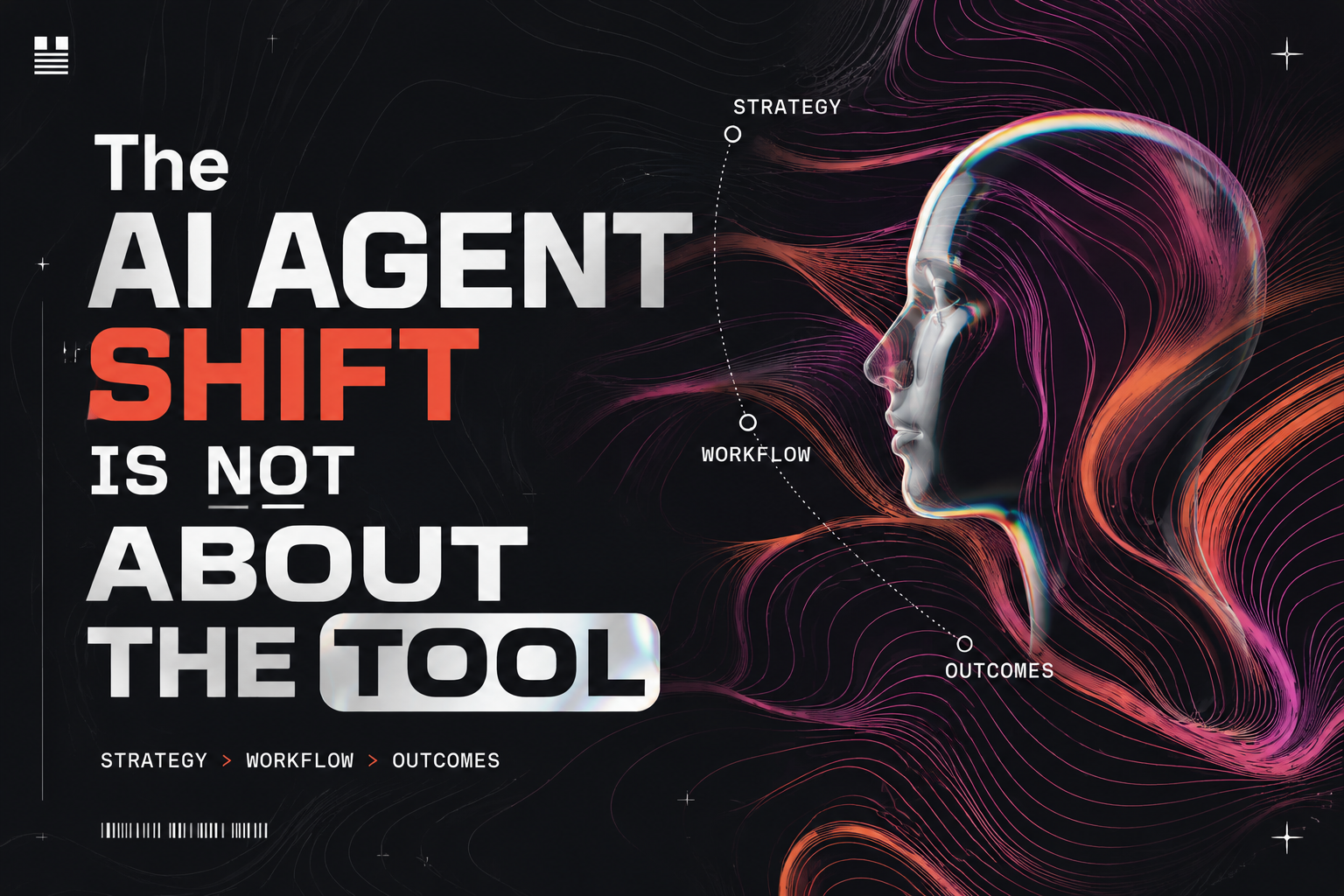
That is the real shift. Not a new app. A new operating assumption: some of the work your team has been manually pushing uphill can now be delegated, reviewed, and improved. The sooner you learn how to do that wisely, the more room you get back for the work only humans can do.